
Can TMS Therapy Work With Medication? Combining Treatments Safely
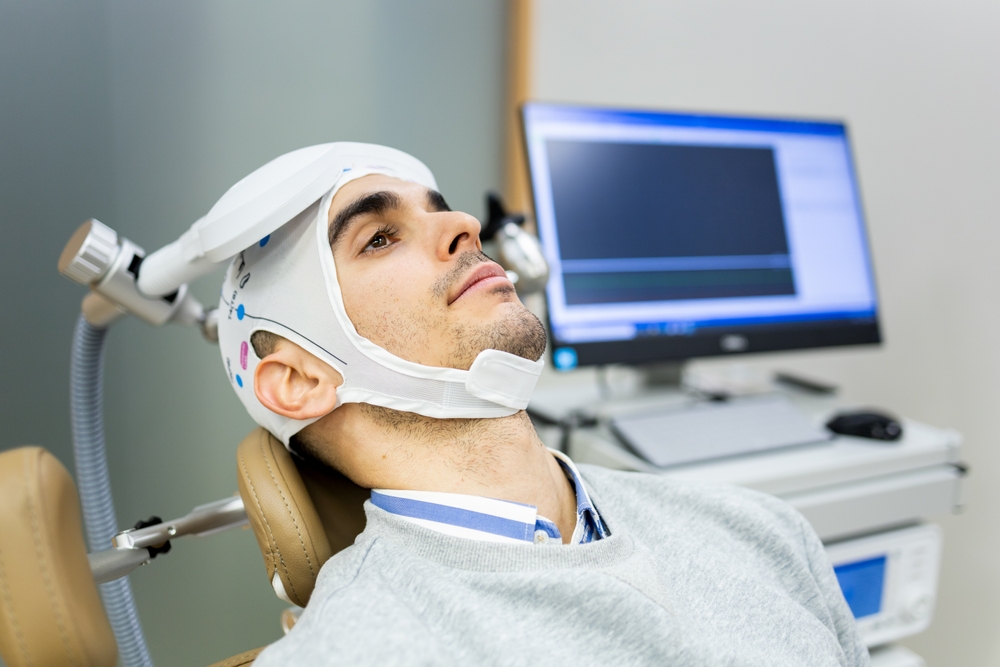
For many people living with depression or other mood disorders, one treatment alone may not feel like enough. In some cases, medication helps but symptoms still linger. In others, medication side effects or incomplete relief can make it worth exploring additional options. TMS therapy can often be used alongside medication as part of a broader treatment plan, depending on your needs, diagnosis, and medical history.
How TMS And Medication Can Work Together
TMS therapy and medication work in different ways. Medication affects brain chemistry throughout the body, while TMS uses targeted magnetic pulses to stimulate areas of the brain involved in mood regulation. Because these treatments work differently, they can sometimes complement each other.
For some patients, combining TMS with medication may help improve symptoms more effectively than relying on one approach alone. We look at the full picture before recommending a plan, including your current symptoms, response to medication, and overall treatment goals.
When A Combined Approach May Be Considered
There is no one-size-fits-all answer in mental health care. We may consider combining TMS therapy with medication when:
- symptoms have only partially improved with medication
- depression has been difficult to treat
- medication has helped but not enough
- we want to build a more comprehensive treatment plan
- ongoing monitoring can support safety and consistency
This approach can be especially valuable when someone needs more support without abruptly changing a medication routine that is already offering some benefit.
Safety Matters When Combining Treatments
TMS therapy is non-invasive, but that does not mean treatment decisions should be made casually. Before starting care, we review your health history, current prescriptions, mental health symptoms, and any past treatment experiences. That helps us determine whether TMS with medication is appropriate and how to move forward safely.
Careful monitoring is important throughout treatment. We pay attention to symptom changes, side effects, and how you are tolerating the overall plan. If anything needs to be adjusted, we do so thoughtfully.
Medication Does Not Always Need To Stop
A common question is whether medication must be discontinued before starting TMS. In many cases, the answer is no. Some patients continue their prescribed medication while receiving TMS therapy. Others may eventually adjust medications later, but that decision should always be based on clinical judgment and individual progress.
Stopping or changing psychiatric medication without guidance can create setbacks, so it is important to coordinate care closely.
The Value Of An Individualized Plan
The safest and most effective treatment plan is one designed around the individual. We do not treat TMS therapy or medication as isolated options. Instead, we consider how they may fit into a larger strategy that supports symptom relief, stability, and long-term mental wellness.
That may also include psychotherapy, regular follow-up visits, and ongoing evaluation of how treatment is working over time.
Contact Renaissance Behavioral Medicine in Beverly Hills, CA by calling (213) 816-3900 to learn whether TMS therapy and medication may be safely combined as part of your care.

All Services
We offer a wide variety of services to the Beverly Hills & San Mateo communities. Contact us with any questions about our services.

Keep In Touch
For non-urgent questions or to learn more about our services, contact us today!
Quick Links
Our Services
Contact Info
- 8500 Wilshire Blvd. Suite 520,
Beverly Hills, CA - Phone: (213) 816-3900
- Fax: (855) 347-9258
- 1650 S Amphlett Blvd. Suite 203,
San Mateo, CA - Phone: (650) 206-8932
- Fax: (855) 347-9258
Hours of Operation
- Monday 8:00am - 5:00pm
- Tuesday 8:00am - 5:00pm
- Wednesday 8:00am - 5:00pm
- Thursday 8:00am - 5:00pm
- Friday 8:00am - 5:00pm
- Saturday Closed
- Sunday Closed
Beverly Hills
- Monday 9:00am - 6:00pm
- Tuesday 9:00am - 6:00pm
- Wednesday 9:00am - 6:00pm
- Thursday 9:00am - 6:00pm
- Friday 9:00am - 6:00pm
- Saturday Closed
- Sunday Closed
San Mateo
- Monday 8:00am - 5:00pm
- Tuesday
- Wednesday
- Thursday
- Friday
- Saturday
- Sunday

© 2026 Renaissance Behavioral Medicine. All rights Reserved -
Accessibility Statement
-
Privacy Policy
-
Sitemap
Managed and Designed by 