
How Long Does It Take to See Results From TMS Therapy?
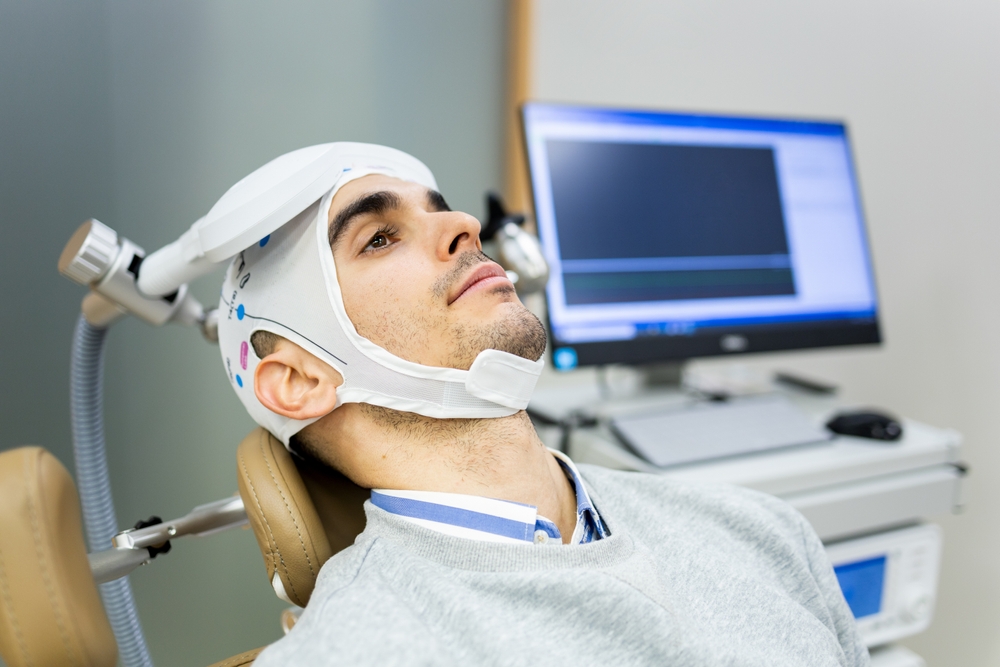
Transcranial Magnetic Stimulation, or TMS therapy, is a non-invasive treatment that uses magnetic pulses to stimulate areas of the brain involved in mood regulation. At Renaissance Behavioral Medicine, we offer TMS as an option for patients who may not have found enough relief from traditional depression treatments. Because TMS works by gradually encouraging healthier brain activity, results are usually not instant. Many patients begin noticing changes over time as they continue their treatment sessions. Every patient responds differently, but some people begin to notice early improvements within the first few weeks of TMS therapy. These changes may feel subtle at first, such as having slightly more energy, feeling less emotionally heavy, or finding it easier to complete daily tasks. For others, results may take longer. It is common for improvement to build gradually throughout the full treatment course. This is why consistency matters. Attending each scheduled session gives the brain repeated stimulation needed to support lasting change. TMS therapy is not designed to create a sudden shift overnight. Instead, it helps stimulate nerve cells in targeted areas of the brain that may be underactive in people with depression. Over multiple sessions, this stimulation may help improve communication between brain regions that influence mood, motivation, and emotional balance. Patients should not feel discouraged if they do not notice major changes right away. A gradual response can still be meaningful, especially when symptoms begin improving week by week. Several factors can influence how quickly someone responds to TMS therapy. These may include: At our practice, we look at the full picture of each patient’s mental health so treatment can be personalized and carefully monitored. Progress with TMS therapy can look different from person to person. Some patients notice their mood lifting, while others first recognize practical changes in daily life. You may find it easier to get out of bed, focus at work, engage with loved ones, or feel interested in activities again. These improvements may happen gradually, and sometimes other people notice changes before the patient does. Tracking mood, energy, sleep, and motivation during treatment can help make progress easier to recognize. Even if you start feeling better early, completing the recommended course of TMS therapy is important. A full treatment plan is designed to support continued improvement and help the brain respond more consistently over time. We also use follow-up conversations to understand how you are feeling, adjust recommendations when needed, and make sure your care plan supports your long-term mental health goals. To learn more about TMS therapy, contact Renaissance Behavioral Medicine in Beverly Hills, CA at (213) 816-3900 or San Mateo, CA at (650) 206-8932.
When Patients May Start Noticing Changes
Why TMS Results Are Gradual
What Can Affect Your Timeline
What Progress May Feel Like
Why Completing the Full Treatment Plan Matters

All Services
We offer a wide variety of services to the Beverly Hills & San Mateo communities. Contact us with any questions about our services.

Keep In Touch
For non-urgent questions or to learn more about our services, contact us today!
Quick Links
Our Services
Contact Info
- 8500 Wilshire Blvd. Suite 520,
Beverly Hills, CA - Phone: (213) 816-3900
- Fax: (855) 347-9258
- 1650 S Amphlett Blvd. Suite 203,
San Mateo, CA - Phone: (650) 206-8932
- Fax: (855) 347-9258
Hours of Operation
- Monday 8:00am - 5:00pm
- Tuesday 8:00am - 5:00pm
- Wednesday 8:00am - 5:00pm
- Thursday 8:00am - 5:00pm
- Friday 8:00am - 5:00pm
- Saturday Closed
- Sunday Closed
Beverly Hills
- Monday 9:00am - 6:00pm
- Tuesday 9:00am - 6:00pm
- Wednesday 9:00am - 6:00pm
- Thursday 9:00am - 6:00pm
- Friday 9:00am - 6:00pm
- Saturday Closed
- Sunday Closed
San Mateo
- Monday 8:00am - 5:00pm
- Tuesday
- Wednesday
- Thursday
- Friday
- Saturday
- Sunday

© 2026 Renaissance Behavioral Medicine. All rights Reserved -
Accessibility Statement
-
Privacy Policy
-
Sitemap
Managed and Designed by 