
TMS and Daily Habits: How Lifestyle Changes Enhance Treatment Outcomes
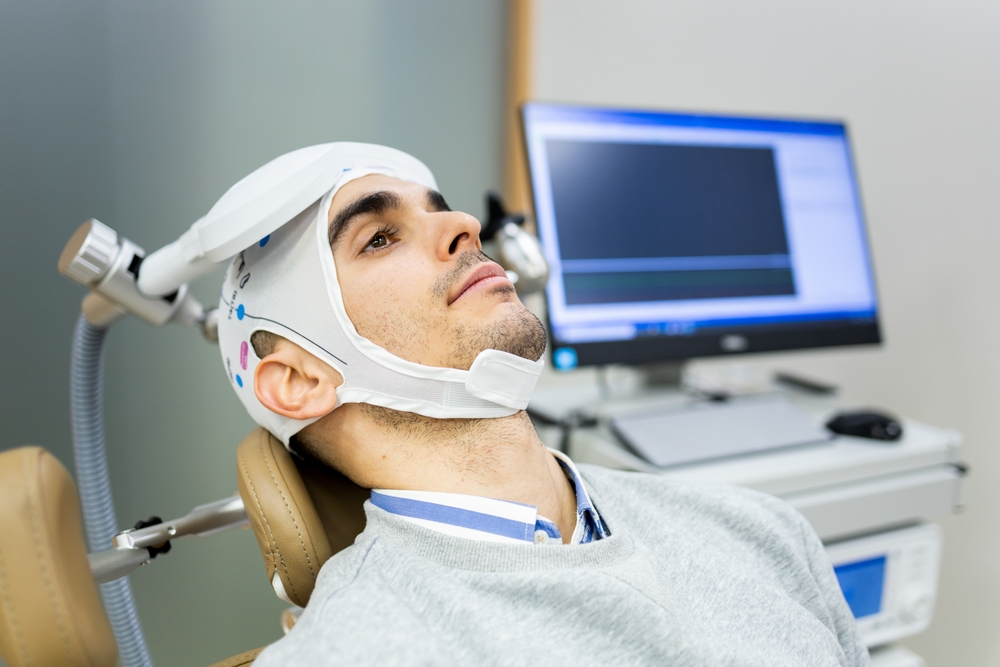
Transcranial magnetic stimulation, or TMS, is a non-invasive treatment used for depression and other mood-related conditions. At Renaissance Behavioral Medicine, TMS is part of a broader behavioral health approach that may also include psychotherapy, medication management, and integrative care. That combination matters because treatment outcomes often improve when clinical care is supported by healthy daily habits. Sleep is one of the most important lifestyle factors during TMS treatment. Poor sleep can affect mood, focus, energy, and stress levels, which may make it harder to maintain progress between sessions. A steady sleep routine supports the brain’s natural recovery processes and can help patients feel more consistent throughout treatment. Going to bed and waking up at regular times is often a practical first step. Daily nutrition also plays a role in how patients feel during a course of TMS. Balanced meals can help maintain energy and reduce the ups and downs that sometimes come with skipped meals or excess caffeine. Staying hydrated may also improve overall comfort and concentration. While food choices do not replace treatment, they can support emotional and physical stability during the process. Healthy routines do not need to be complicated. A few realistic habits can support TMS outcomes over time: Keep a regular sleep schedule Eat balanced meals throughout the day Stay hydrated Limit alcohol and avoid recreational drugs Make time for light movement or exercise Practice stress management techniques such as breathing exercises or mindfulness Stress can affect mood symptoms and day-to-day functioning, which is why stress reduction is often a valuable part of care. Techniques such as mindfulness, gentle exercise, journaling, and therapy can help patients manage emotional strain during treatment. Since Renaissance Behavioral Medicine also offers psychotherapy and integrative care, patients may benefit from a more complete strategy that addresses both symptoms and everyday stressors. TMS is typically provided as a series of appointments rather than a one-time visit. That makes consistency especially important. Attending scheduled sessions, following provider recommendations, and maintaining supportive habits at home can all contribute to a steadier treatment experience. Renaissance Behavioral Medicine describes TMS as an FDA-approved, non-invasive option and notes that treatment commonly involves multiple sessions over time. Lifestyle changes do not have to be dramatic to be useful. Patients often do better when they focus on sustainable improvements rather than perfection. Better sleep, healthier meals, hydration, reduced stress, and consistent routines can work alongside TMS to support better daily functioning and long-term progress. Contact Renaissance Behavioral Medicine in Beverly Hills, CA at (213) 816-3900 or San Mateo, CA at (650) 206-8932 to learn more about TMS and personalized treatment options.
Sleep Helps the Brain Respond to Treatment
Nutrition and Hydration Support Stability
Small Daily Habits That Can Make a Difference
Stress Management Can Reinforce Progress
Consistency Matters Throughout a TMS Course
Building a More Supportive Routine

All Services
We offer a wide variety of services to the Beverly Hills & San Mateo communities. Contact us with any questions about our services.

Keep In Touch
For non-urgent questions or to learn more about our services, contact us today!
Quick Links
Our Services
Contact Info
- 8500 Wilshire Blvd. Suite 520,
Beverly Hills, CA - Phone: (213) 816-3900
- Fax: (855) 347-9258
- 1650 S Amphlett Blvd. Suite 203,
San Mateo, CA - Phone: (650) 206-8932
- Fax: (855) 347-9258
Hours of Operation
- Monday 8:00am - 5:00pm
- Tuesday 8:00am - 5:00pm
- Wednesday 8:00am - 5:00pm
- Thursday 8:00am - 5:00pm
- Friday 8:00am - 5:00pm
- Saturday Closed
- Sunday Closed
Beverly Hills
- Monday 9:00am - 6:00pm
- Tuesday 9:00am - 6:00pm
- Wednesday 9:00am - 6:00pm
- Thursday 9:00am - 6:00pm
- Friday 9:00am - 6:00pm
- Saturday Closed
- Sunday Closed
San Mateo
- Monday 8:00am - 5:00pm
- Tuesday
- Wednesday
- Thursday
- Friday
- Saturday
- Sunday

© 2026 Renaissance Behavioral Medicine. All rights Reserved -
Accessibility Statement
-
Privacy Policy
-
Sitemap
Managed and Designed by 